The Cup You Drink From Says More Than You Think: Inside America's Ceramic Coffee Moment
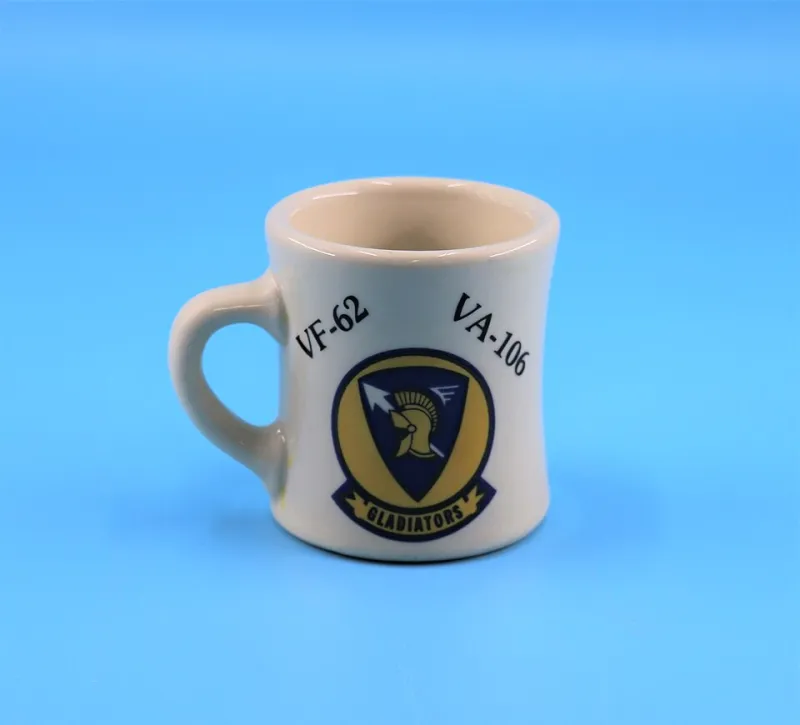
Photo: SDASM Archives, No restrictions, via Wikimedia Commons
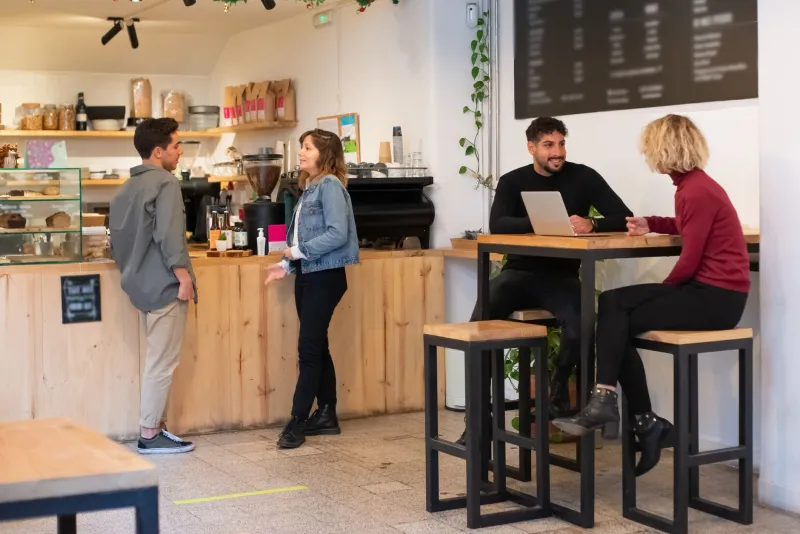
There's a moment that happens in certain specialty cafés — the kind with hand-painted tiles and single-origin pour-overs — where a customer ordering to stay gets handed a ceramic cup and visibly relaxes. Not because the coffee tastes different (though it might). Because something about the weight of the cup in their hand signals that this experience is going to be worth their time.
That moment is happening more often in American coffee culture, and it's not accidental.
Paper's Long Reign
For most of American coffee history, the disposable cup was purely functional. You needed coffee, you got coffee, you kept moving. The cup was a container, not a statement. Even as specialty coffee grew through the 2000s and 2010s, the paper cup largely survived the transition — partly because American coffee culture remained deeply tied to mobility, and partly because the economics of ceramic service (washing, breakage, labor) gave café owners a reason not to bother.
But something has shifted. The specialty coffee consumer of 2024 is increasingly likely to sit down, and increasingly likely to notice — and care — what they're sitting down with.
What Prague Gets Right About Vessels
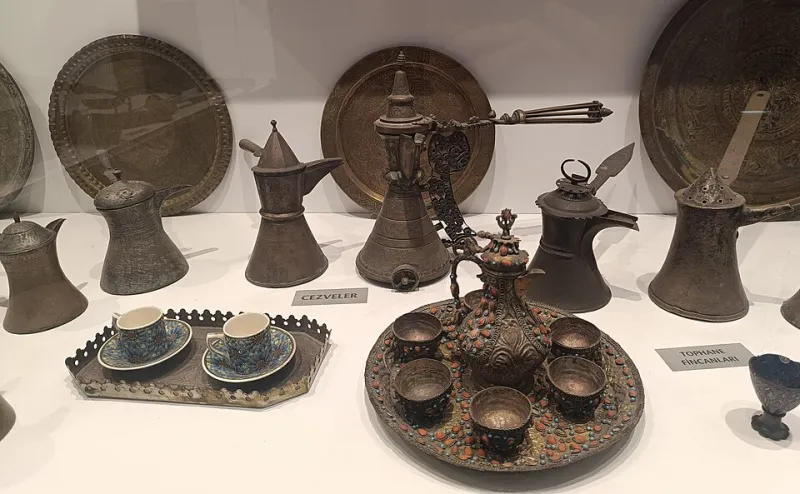
In Prague's coffeehouse tradition, the question of ceramic versus paper barely registers as a question at all. If you're sitting in a café, you're drinking from a proper cup. Full stop. The glass or ceramic vessel is considered part of the experience in the same way that the chair and the lighting are — it shapes how you feel about being there.
This isn't snobbery for its own sake. There's a genuine sensory argument: ceramic retains heat differently, doesn't impart any flavor the way paper and plastic can, and — maybe most importantly — it communicates to the person holding it that someone thought about their experience beyond the liquid inside.
Prague's cafés have understood this for generations. American specialty cafés are arriving at the same conclusion, just a few decades later.
The Signals We Send With Our Cups
Ask specialty coffee consumers why they prefer ceramic when they're sitting in a café, and the answers cluster around a few consistent themes. Quality is the most common: it just tastes better, or it feels more intentional. Sustainability comes up frequently, particularly among younger drinkers who are aware of the environmental footprint of disposable cups even when they're technically compostable.
But there's a third answer that people give less directly, though it comes through clearly: it means I'm actually here.
The paper cup, in the context of a sit-down café visit, has become associated with a kind of half-presence — the person who grabbed a drink but hasn't really arrived. The ceramic cup signals the opposite. You're not on your way somewhere. You're already there.
For a consumer demographic that has spent years being told to optimize, hustle, and multitask, that signal carries real weight. Choosing ceramic is, in a small but meaningful way, choosing to be present.
What Café Owners Are Noticing
Specialty café operators who have invested in quality ceramic service — and it is an investment, between sourcing, storage, and the labor of washing — tend to report the same downstream effect: customers who drink from ceramic stay longer and spend more.
The logic tracks. If the vessel communicates this is worth your time, customers act accordingly. They order a second drink. They add a pastry. They come back, because the experience felt complete rather than provisional.
Some cafés have taken this further, partnering with ceramicists and local potters to create custom cup lines that become part of the café's identity. In cities like Los Angeles, Chicago, and Seattle, it's not uncommon for a specialty café's signature cups to develop their own following — customers who ask specifically about the maker, or who recognize the aesthetic from a friend's Instagram post.
The cup has become a brand touchpoint in a way that a paper sleeve never really could be.
The Sustainability Layer
It would be incomplete to talk about ceramic's rise without acknowledging the environmental dimension. American consumers are increasingly aware that the disposable cup problem hasn't been solved by compostable alternatives — most compostable cups require industrial composting facilities that most cities don't have, meaning they end up in landfills anyway.
Ceramic sidesteps the problem entirely. A well-made cup, used daily, offsets its production footprint within a few months of regular use. For cafés marketing to an environmentally conscious demographic, this is a genuine differentiator — not just a talking point.
Some shops have started offering a small discount for customers who bring their own cups, echoing a practice common in European café culture. Others have gone further, phasing out paper service for in-café orders entirely. The response, where owners have been willing to share it, has been largely positive — with the occasional grumble from customers who wanted to multitask their way through a latte.
A Small Thing That Isn't Small
It would be easy to dismiss the ceramic preference as a boutique concern — the kind of thing that matters only to a niche of coffee-obsessed consumers in expensive zip codes. But the trend is broader than that, and its implications extend beyond any single café.
When the vessel matters, the whole experience matters. When the whole experience matters, coffee stops being a commodity and becomes something closer to what Prague's coffeehouse culture has always understood it to be: a ritual worth doing properly.
That's a shift American coffee culture has been working toward for a long time. The cup, it turns out, was always part of the journey.