Across the Atlantic for a Better Shot: Why American Baristas Are Heading to Prague to Learn Their Craft
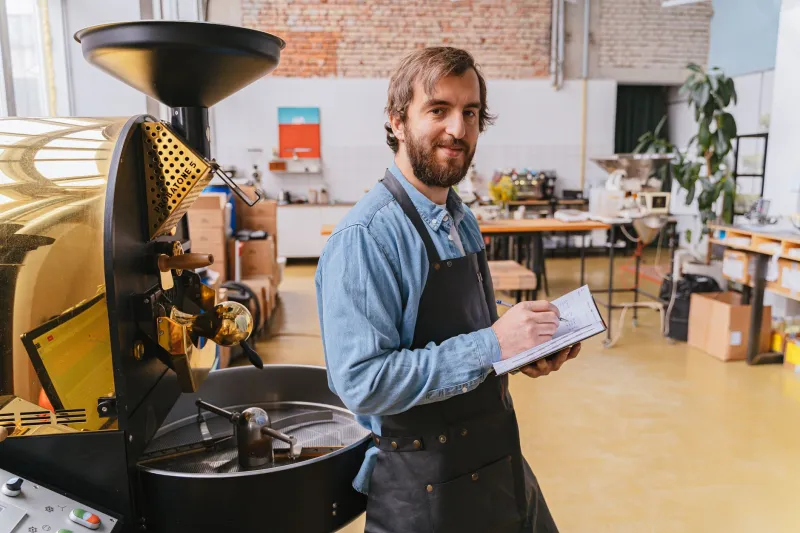
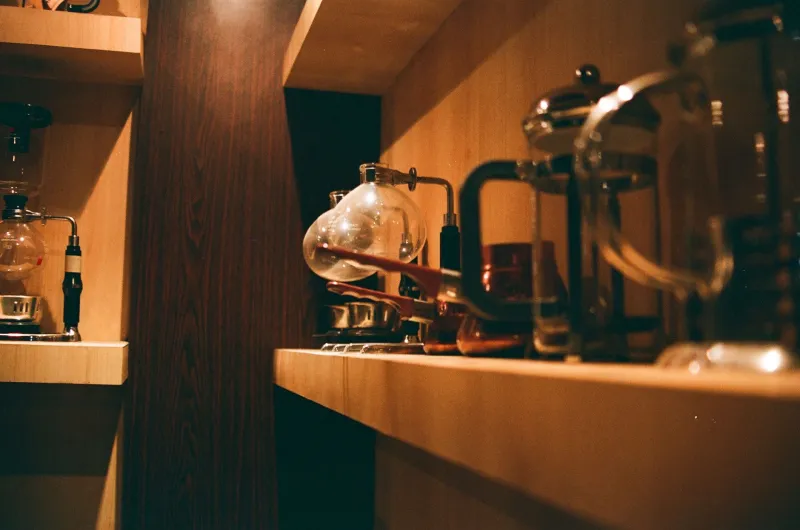
It's not the Charles Bridge that's drawing a new generation of American coffee professionals to Prague. It's the smell of slowly turning drum roasters in basement workshops, the unhurried rhythm of a Czech barista dialing in a single-origin pour-over, and the almost philosophical weight placed on the act of making a truly good cup of coffee.
Over the past few years, a quiet but genuine movement has been building in the American specialty coffee world: baristas, roasters, and café owners packing their bags and heading to Central Europe — specifically to Prague — to study under Czech coffee craftspeople whose approach to the trade looks almost nothing like what you'd find at a stateside training program.
What's Drawing Americans to Czech Roasteries in the First Place?
American coffee education has come a long way. Specialty training programs, SCA certifications, and a booming third-wave scene have all raised the bar significantly. But for a growing number of coffee professionals, something still felt missing — a certain intentionality, a deeper relationship between the roaster and the bean, between the barista and the customer.
Prague's coffee culture carries a different kind of weight. Rooted in the Central European coffeehouse tradition — where the café was always a place of thought, debate, and deliberate slowness — Czech coffee craftsmanship has evolved with a philosophical backbone that most American training programs simply don't teach.
"The first thing my mentor in Prague told me was to stop rushing," says Jordan Calloway, a barista from Portland, Oregon, who spent three months apprenticing at a small roastery in Prague's Žižkov neighborhood. "And I thought I already knew how to slow down — I worked at a specialty shop. But in Prague, slow means something completely different. It means understanding why you're doing every single thing you do."
The Apprenticeship Model: Old School in the Best Way
Unlike structured certification courses, the Prague apprenticeship experience tends to be informal, deeply personal, and long. American participants often describe it less like a class and more like being absorbed into someone's daily routine.
They show up. They observe. They ask questions when invited to. They pull shots alongside seasoned roasters who have spent decades developing an almost tactile relationship with their equipment and their beans. There are no PowerPoint slides. There's a lot of coffee, a lot of silence, and a lot of learning by doing.
Mara Elkins, who owns a small café in Asheville, North Carolina, completed a six-week stay with a Czech roaster she connected with through an online specialty coffee forum. "The training I got there wasn't about techniques I'd never heard of," she explains. "It was about the attitude behind the technique. Czech roasters treat every batch like it matters — not because they're performing craft for Instagram, but because they genuinely believe it does."
That attitude, she says, has fundamentally changed the culture inside her own shop. Her staff now holds longer pre-shift cuppings. They talk more openly about why certain beans behave the way they do. The vibe has shifted from efficient to engaged.
What Czech Roasting Culture Actually Looks Like
So what exactly are these American baristas learning that they couldn't pick up closer to home?
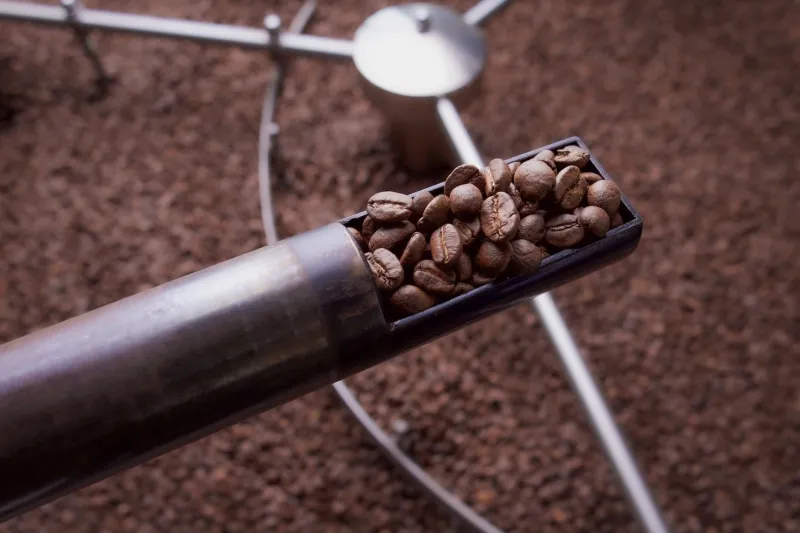
A lot of it comes down to roast philosophy. Czech specialty roasters — particularly those who came up through Prague's post-communist café renaissance — tend to favor lighter, more transparent roast profiles that let the terroir of the bean speak clearly. But it's not just about roast level. It's about patience during the development phase, about resisting the urge to push heat too aggressively, about understanding that the bean will tell you what it needs if you pay close enough attention.
There's also an emphasis on sourcing relationships that goes beyond what most American roasters practice. Several Prague roasteries have cultivated direct, long-term partnerships with specific farms — not just buying from importers, but visiting growers, understanding soil conditions, and adjusting their roasting approach based on that firsthand knowledge.
"They roast to the bean, not at it," says Calloway. "That sounds like a small distinction, but once you feel the difference, you can't unfeel it."
The Philosophical Layer
Perhaps the most unexpected thing American apprentices bring home isn't a technique — it's a mindset.
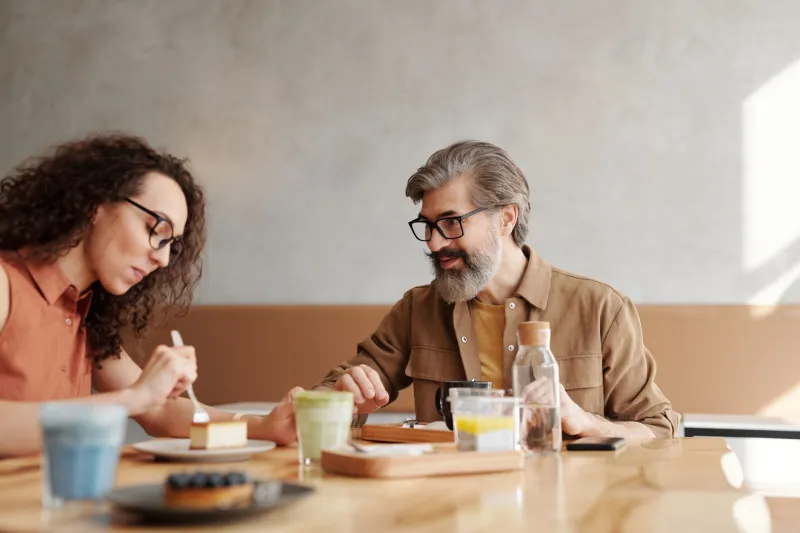
In Czech coffeehouse culture, coffee has always been intertwined with conversation, creativity, and community. The barista isn't just a service worker; they're a kind of host, a keeper of a space where people come to think and connect. That role carries responsibility, and Czech coffee professionals take it seriously in a way that can feel almost startling to Americans accustomed to a faster, more transactional café experience.
"I came back to my shop and I looked at my bar completely differently," says Elkins. "I started thinking about what kind of space we were actually creating for people. Were we rushing them? Were we making them feel welcome to stay? Prague made me ask questions I hadn't thought to ask before."
What This Means for American Specialty Coffee
The baristas and roasters returning from Prague aren't coming back with secret recipes or proprietary equipment. What they're bringing is harder to package and easier to overlook — a recalibrated sense of purpose.
And it's starting to show up in American cafés in ways that customers can feel, even if they can't quite name it. Longer bar conversations. More thoughtful menu curation. A willingness to talk through a coffee's origin story with genuine enthusiasm rather than rehearsed script.
For the specialty coffee community in the US, this transatlantic exchange feels like a natural evolution. American coffee culture has always been good at innovation and scale. What Prague is quietly offering is depth — the kind that comes from decades of treating coffee not as a product to optimize, but as a practice to honor.
If you've ever walked into a café and felt, inexplicably, that the person behind the bar actually cared about what they were handing you — there's a decent chance someone in that building has been to Prague.
Or at least wishes they had.