From Prague's Roasting Cellars to Your Cup: What Czech Dark Roast Traditions Are Teaching American Coffee Lovers
From Prague's Roasting Cellars to Your Cup: What Czech Dark Roast Traditions Are Teaching American Coffee Lovers
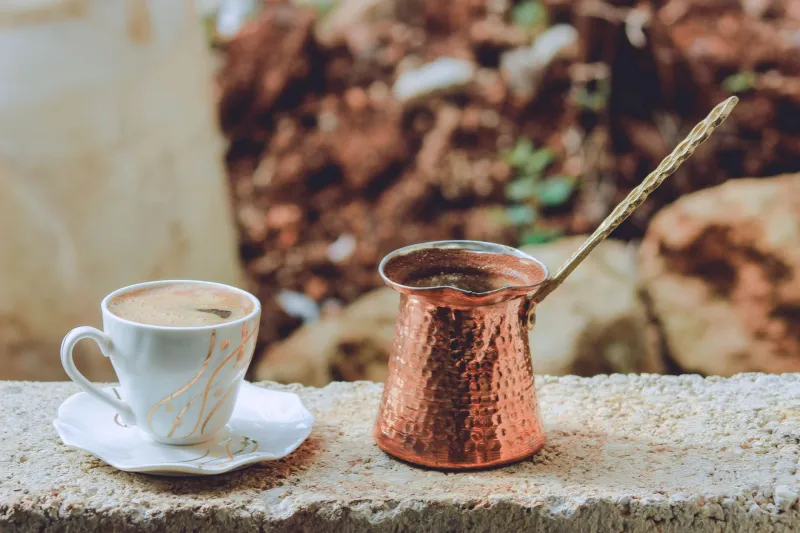
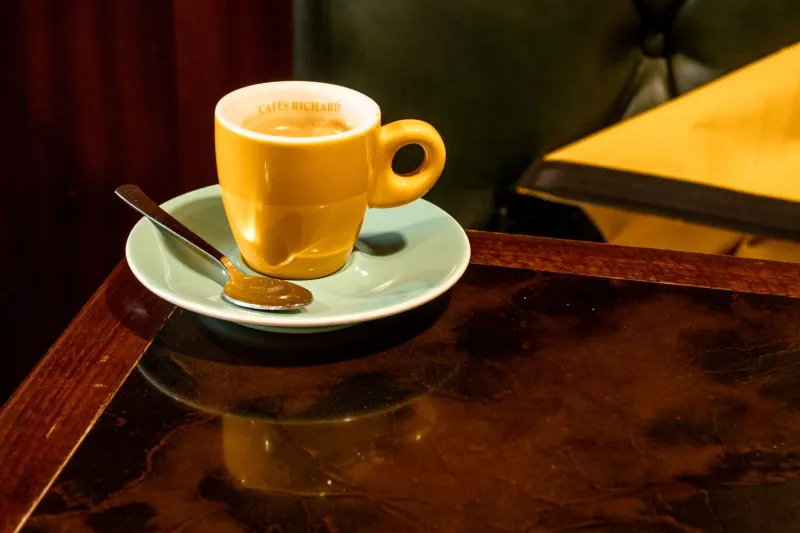
There's a moment, somewhere deep in a Prague coffeehouse, when you lift a small ceramic cup and the aroma hits you before the coffee does. It's not the bright, blueberry-and-citrus perfume that American specialty shops have trained us to expect. It's something earthier, richer, and more deliberate — like the smell of a well-worn leather chair in a room that's been serving coffee for a hundred years. That's Czech dark roast, and it's having a quiet but unmistakable influence on how American roasters are rethinking their craft.
A Roasting Culture Built on History, Not Trend
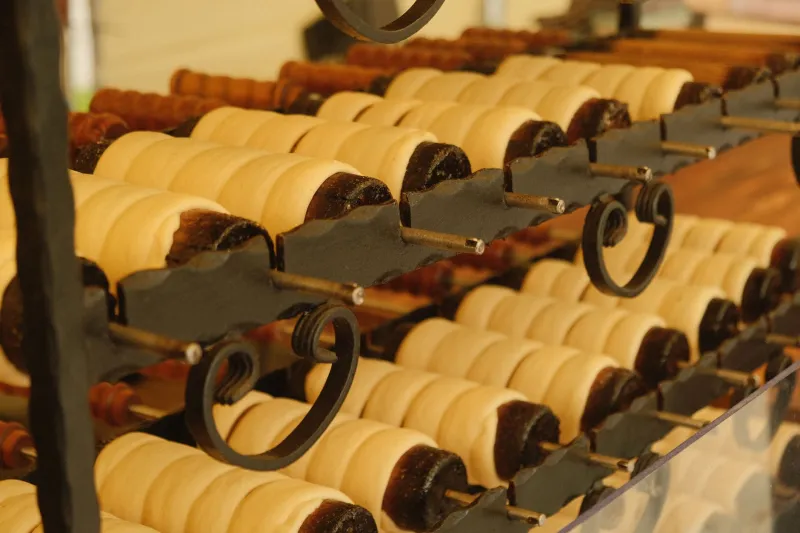
To understand why Czech coffee roasting stands apart, you have to go back a few centuries. Prague's coffeehouse tradition took root in the late 17th century, heavily influenced by Ottoman and Viennese café culture sweeping across Central Europe. Unlike the Scandinavian light-roast tradition that would later inspire much of American third-wave coffee, Bohemian coffeehouses leaned into darker, fuller-bodied roasts that complemented the region's love of rich, hearty food — think svíčková, roasted pork, and buttery pastries.
This wasn't laziness or lack of sophistication. It was intentionality. Czech roasters learned that a longer roast, developed carefully and without scorching, could extract layers of bittersweet chocolate, dried fruit, and toasted nuts that paired beautifully with the social ritual of sitting for hours in a café. The cup wasn't meant to be analyzed — it was meant to be experienced.
What Makes Czech Roasting Different
Here's where it gets technically interesting, especially for coffee connoisseurs who've spent years chasing single-origin light roasts from Ethiopian highlands or Colombian microlots.
Czech roasting philosophy — particularly as practiced by modern Prague roasteries like Doubleshot, Můj šálek kávy, and EMA Espresso Bar — doesn't reject quality sourcing. Far from it. What it does is challenge the assumption that the lightest possible roast always reveals the most about a bean. Czech roasters tend to work in what specialty coffee professionals call the "medium-dark" to "full dark" range, but with a critical distinction: they prioritize even development over sheer darkness.
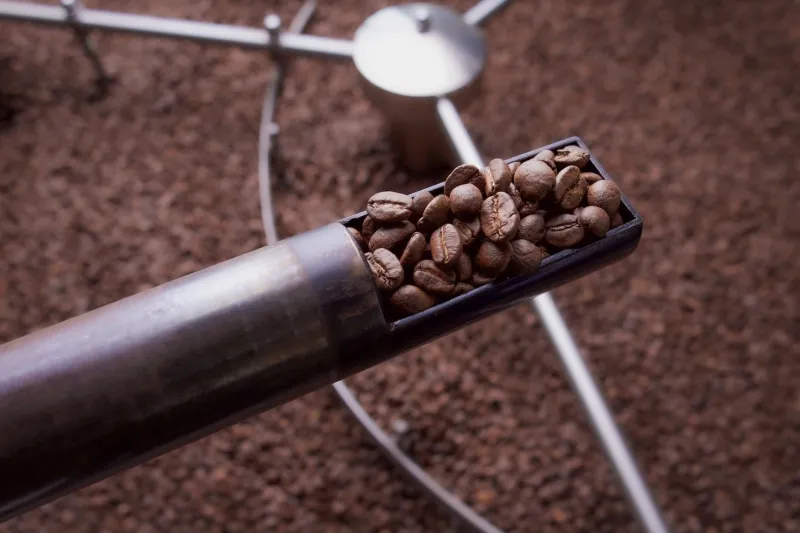
The goal is to push through the first crack and into the second with enough control that the sugars in the bean caramelize rather than carbonize. This produces what roasters describe as a "developed dark" — a roast with the body and warmth of traditional European coffee but without the ashy, hollow bitterness that gives cheap dark roasts a bad name in American specialty circles.
Development time ratio (DTR), the window between first crack and the end of the roast, is treated almost reverentially in Czech roasting culture. Stretching that window carefully allows roasters to coax out complexity that lighter roasts might express as acidity but darker roasts express as depth. It's a different kind of complexity — less like a fruit salad, more like a slow-braised stew.
Why American Specialty Roasters Are Paying Attention
For about fifteen years, American specialty coffee operated on a fairly firm orthodoxy: lighter roasts equal higher quality, darker roasts equal covering up defects. That's not entirely wrong, but it's not the whole story either, and a growing number of U.S. roasters are starting to say so out loud.
Roasters in cities like Portland, Chicago, and Brooklyn have begun experimenting with what some are calling "European-style development" — essentially, applying the careful, controlled dark-roast techniques that Prague and Vienna have practiced for generations to high-quality, traceable beans. The results have been surprising even to seasoned cuppers. Beans that taste grassy or overly acidic at a light roast can reveal stunning caramel and stone fruit notes when taken just a little further with precision.
The Czech approach also aligns neatly with a shift in American consumer taste. After years of being told that the best coffee tastes like grapefruit or jasmine, a lot of coffee drinkers — especially those who came to specialty coffee through espresso — are quietly admitting they want something that tastes like, well, coffee. Warm, round, satisfying coffee with enough backbone to stand up to a splash of milk without disappearing.
Brewing Methods That Bring It to Life
If you want to explore Czech roasting tradition at home, the brewing method matters as much as the bean. Prague's coffeehouse culture has long favored preparation styles that emphasize body and extraction — think moka pot, French press, and traditional espresso over pour-over or Chemex.
For a genuinely Prague-inspired experience, try this: source a medium-dark roast from a Czech-influenced roaster (several American roasters now label their offerings explicitly as "Vienna-style" or "Continental roast"), grind slightly coarser than you would for espresso, and brew in a French press with water just off the boil. Let it steep for four full minutes before pressing slowly. What you'll get is a cup with a silky texture, low acidity, and a finish that lingers — exactly the kind of coffee that makes you want to sit down and stay a while.
Alternatively, a well-pulled espresso from a quality dark-developed roast, served short and strong in a small cup, is about as close as you'll get stateside to standing at a Prague bar in the middle of a Tuesday afternoon.
What This Means for the Future of Your Coffee Order
The conversation around roast level in American specialty coffee is getting more nuanced, and Czech roasting tradition is part of why. It's not about abandoning the quality sourcing and transparency that define third-wave coffee — it's about expanding the definition of what "quality" in the cup can taste like.
Prague's roasters have always known that a dark roast done right isn't a compromise. It's a commitment. A commitment to a specific kind of warmth, a particular kind of ritual, and a flavor philosophy that says the best cup of coffee isn't the most delicate one — it's the one you can't stop thinking about long after you've left the café.
That's an idea worth brewing over.